2021 • At-Bay • Product Design Lead
Claims Processing Platform for Cybersecurity Insurtech
Role
Came in as design lead when initial requirements were scoped and early wireframes existed. Ran my own stakeholder research, rescoped the approach, and owned product strategy and design through launch — defining claim profile architecture, homepage workflows, role-based views, and the platform foundation that later supported both automation initiatives.
Outcome
Platform became the central operating system for claims
Industry leading platform that led claims team to win 🏆 Claims Team of the Year (Intelligent Insurer Cyber Insurance Awards)
Strengthened broker relationships through faster, more transparent claims handling
Team / Stakeholders
Product Manager
Engineering (Tel Aviv)
Claim Ops, Claim Adjusters, Claim Manager
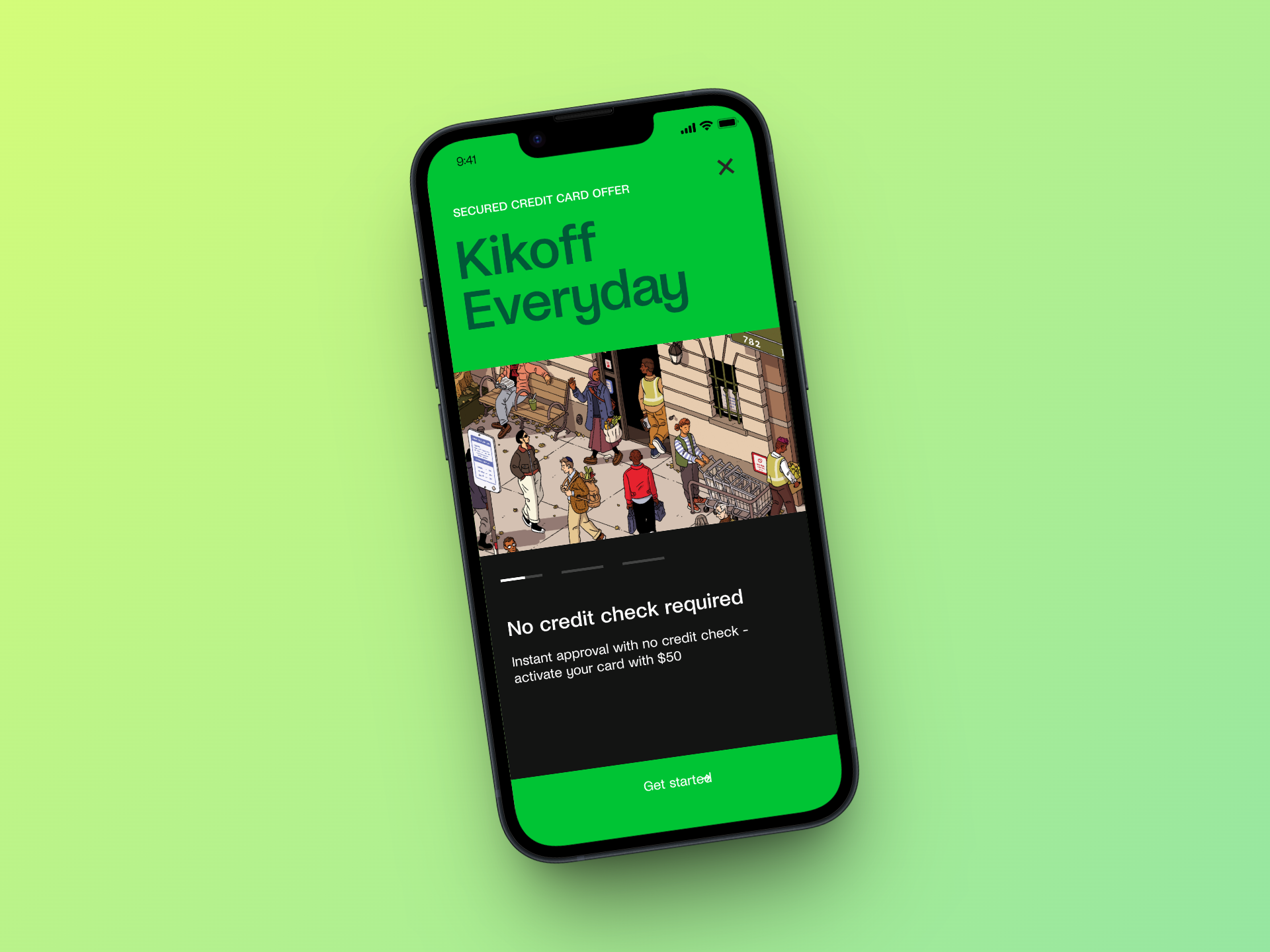
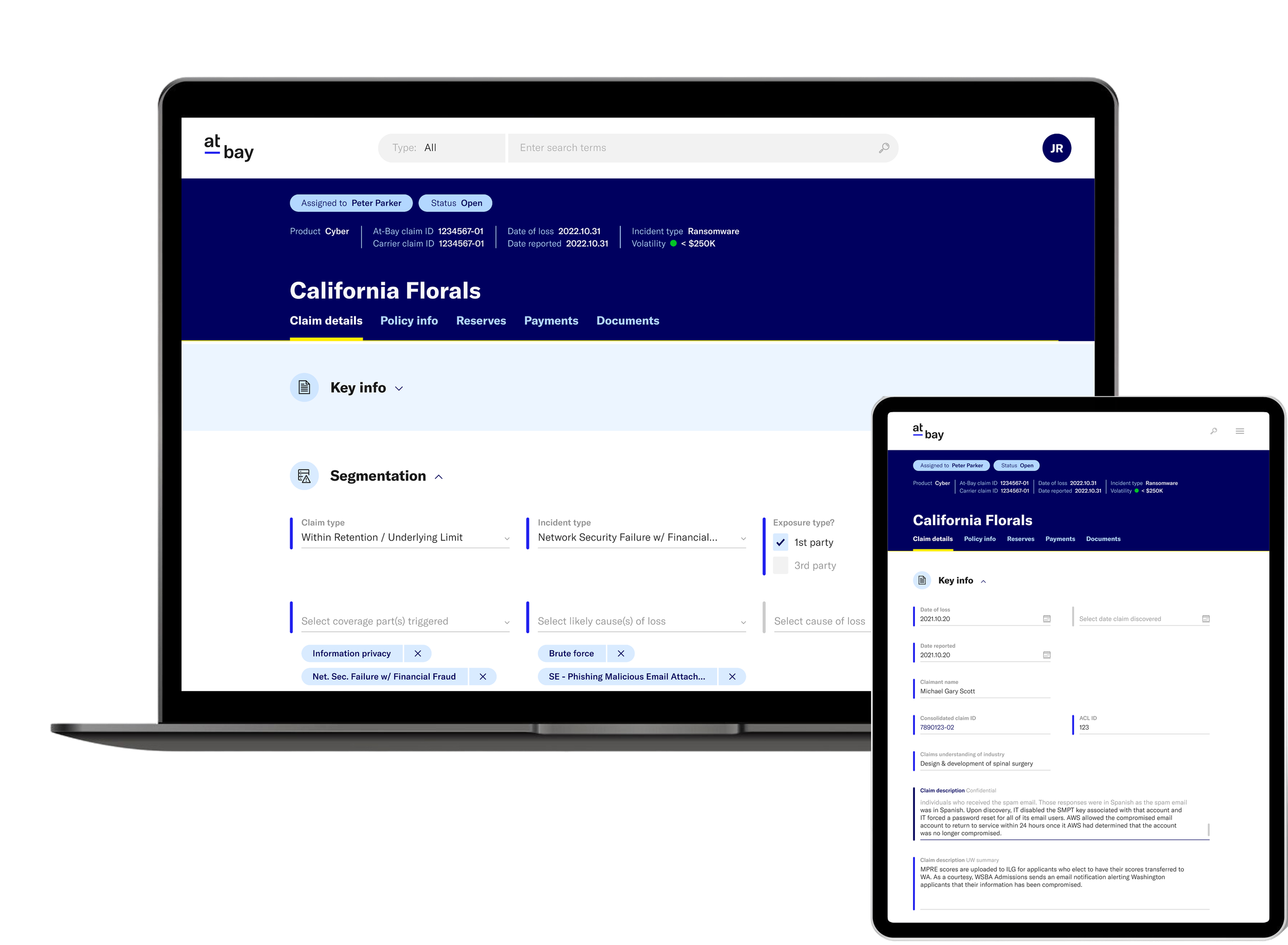
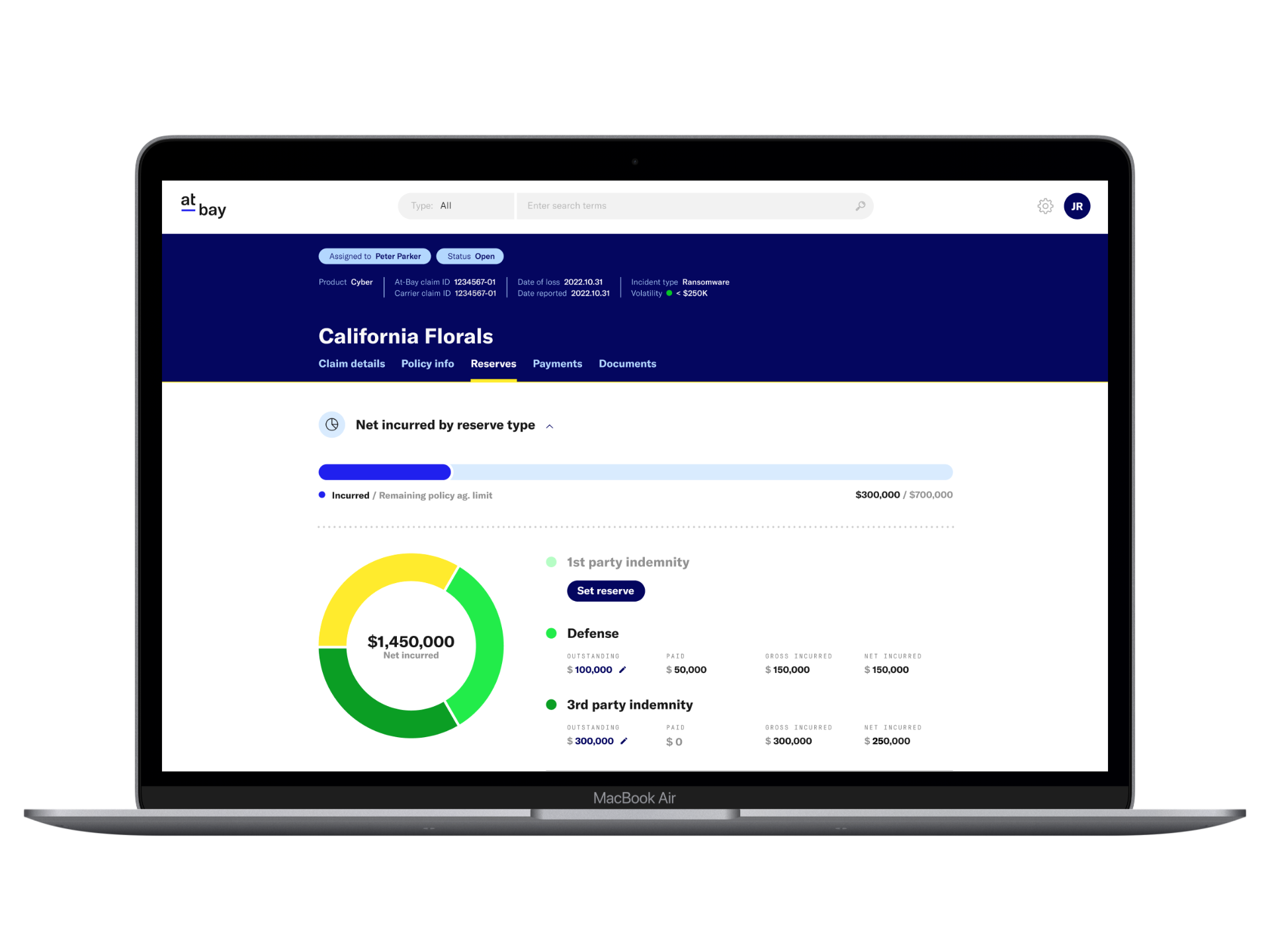
A claims processing platform that gives adjusters, claim ops, and managers a unified system to manage claims — from intake and data capture through invoicing, task management, and reporting. Served as the architectural foundation for AI-powered FNOL and invoice automation.
The Challenge
At-Bay had no internal claims platform. The team was managing claims across spreadsheets, email, and disconnected systems — with no standardized processes, no shared visibility, and no scalable foundation.
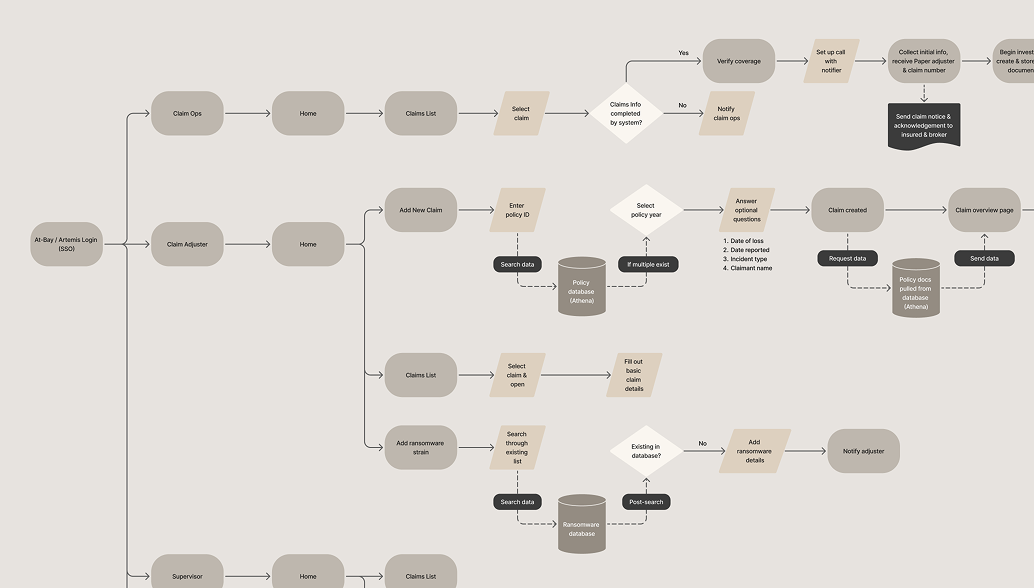
Early wireframes assumed a linear intake flow, but adjusters were managing ~100 active claims simultaneously and updating information as it arrived, not in sequence.
Key Decisions
Rescoped from linear to flexible
My research showed that a step-based flow would block adjusters constantly. I redesigned the system for non-sequential entry — supporting asynchronous updates, automated task creation, and progressive information capture that could absorb new features without breaking. I presented my research-backed proposal to PM for alignment, and engineers to ensure it wouldn’t add disruption to the timeline.
Role-based homepage evolution
I designed the homepage in phases — starting with a foundation of claim queues, then layering in tasks, invoices, and FNOL as the platform matured. Each role saw what was relevant to their workflow: adjusters saw their caseload, managers saw team performance, claim ops saw verification queues.
Built compliance into the design cadence, not as an afterthought
I maintained weekly syncs with the claims team throughout development — not just for feedback, but to surface compliance concerns and edge cases early enough to shape the product. That cadence helped us prioritize urgent regulatory needs while sequencing future features that further streamlined workflows without breaking compliance.
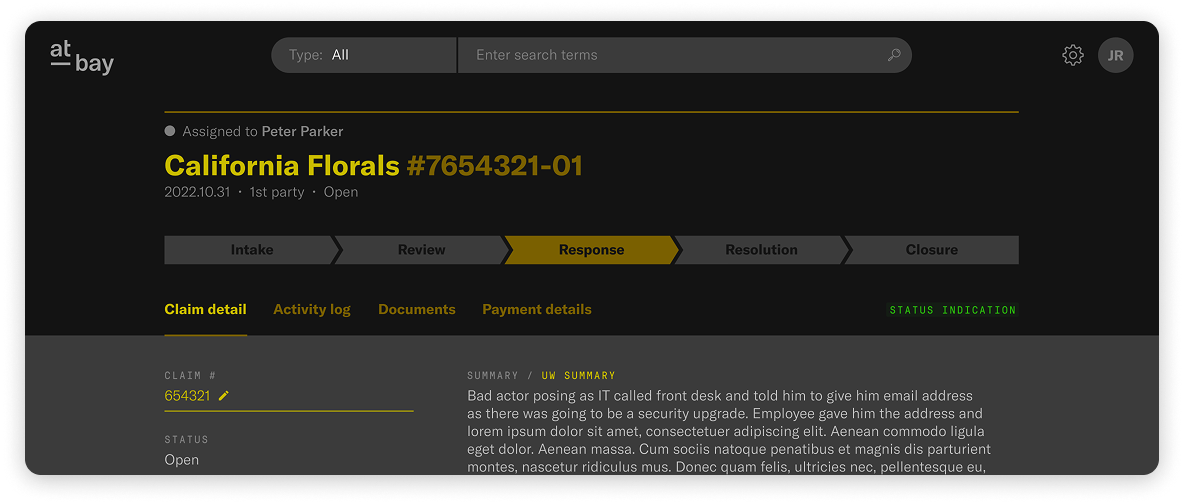
Early wireframes (before I joined)
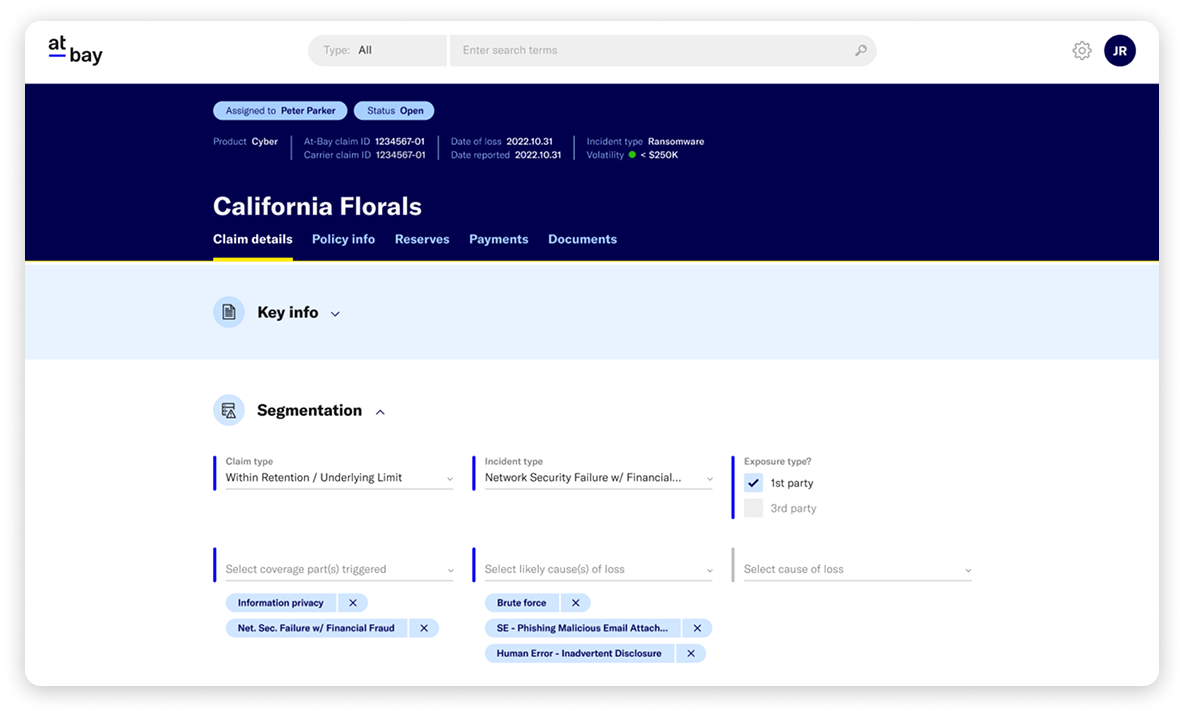
My redesign
What informed my decisions
The linear-to-flexible shift came from research showing adjusters managed claims in parallel, not sequentially.
Role-based homepage views came from observing how each role used the platform differently post-MVP, confirmed by stakeholder conversations.
The standardization push came from seeing adjusters handling the same claim types in inconsistent ways — there was no shared operating model.
Results
Became the central operating system for the claims org
Industry leading platform that led claims team to win 🏆 Claims Team of the Year (Intelligent Insurer Cyber Insurance Awards)
Standardized claims processes across the org for the first time
Strengthened broker relationships through faster, more transparent claims handling
Platform architecture absorbed 113% YoY claim volume growth and directly enabled FNOL and invoice automation — both built on top of the claim profile and homepage structures I designed
View other projects
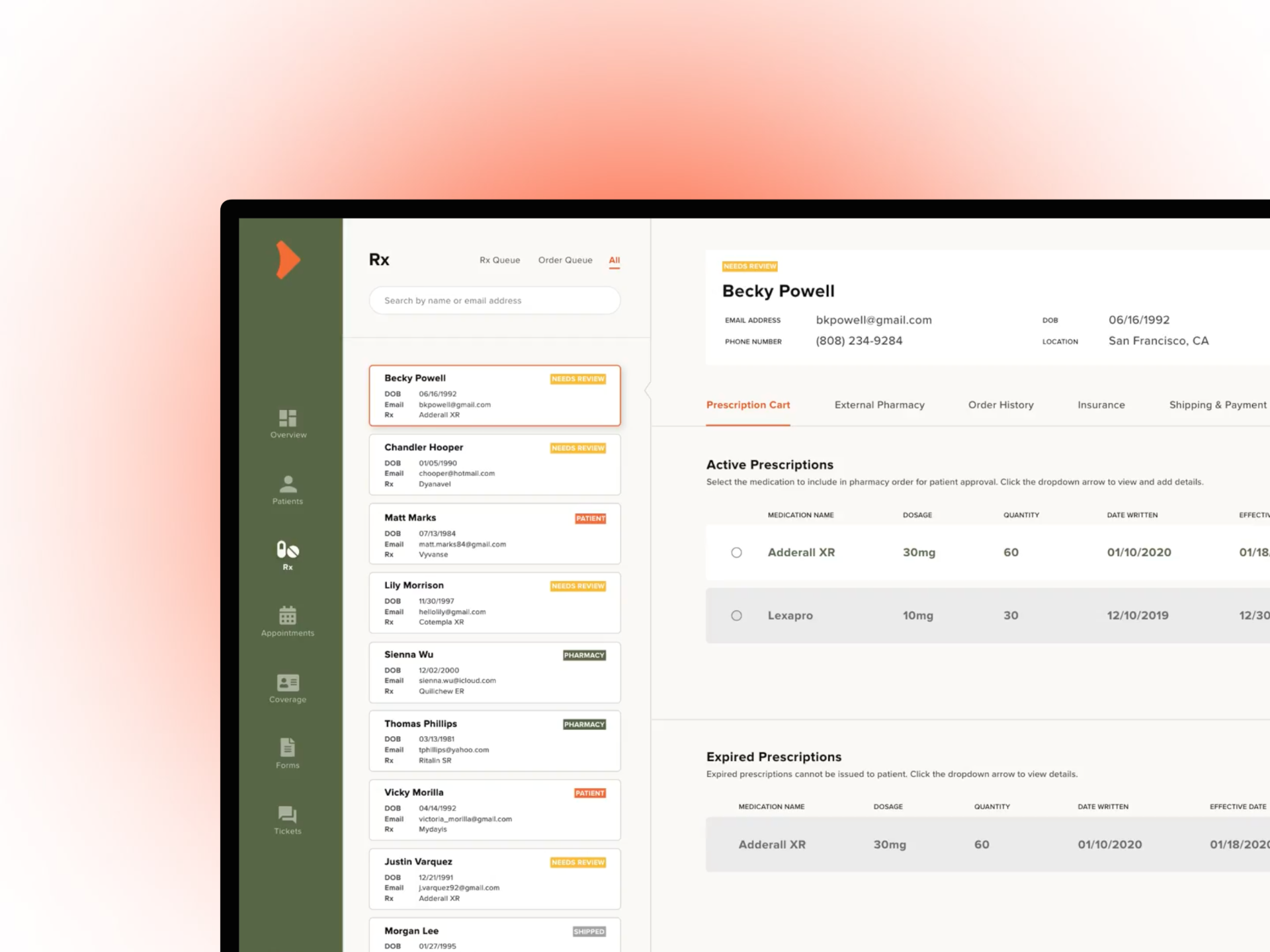
Clinical operations and customer support platform
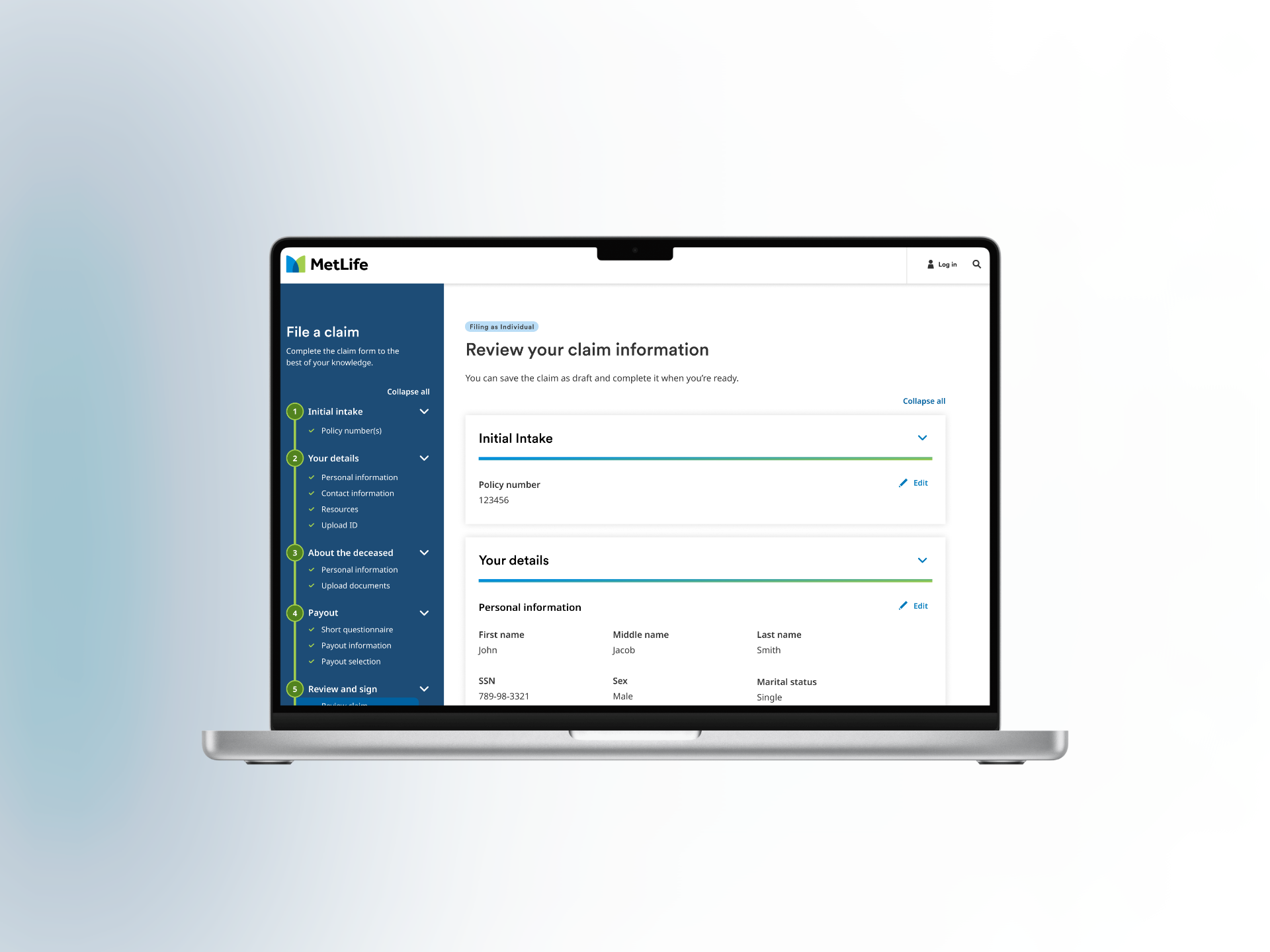
Customer-facing death claims intake & profile experience